How the pictures are made.

Every character in Gerry's world starts as a pencil sketch and earns its way, stage by stage, to the page. Nothing is rushed. We think children can tell the difference, even if they could never say why.

Built like toddlers, on purpose.

Every character in Gerry's world shares the same body language, and it is borrowed from the children watching. A big head. A round, compact body. Short arms and short legs. Small and grounded. Children recognise themselves in those proportions before a single word is read, and nothing about the silhouette asks their nervous system to speed up.

Each character goes through the same stages. First the sketch, where we work out who they are. How they stand. Whether their eyes feel kind. Then colour, where the palette has to sit quietly inside the world of the campfire. Then the final poses. And between those stages there are revision rounds, and we would rather show you those than pretend they never happened.

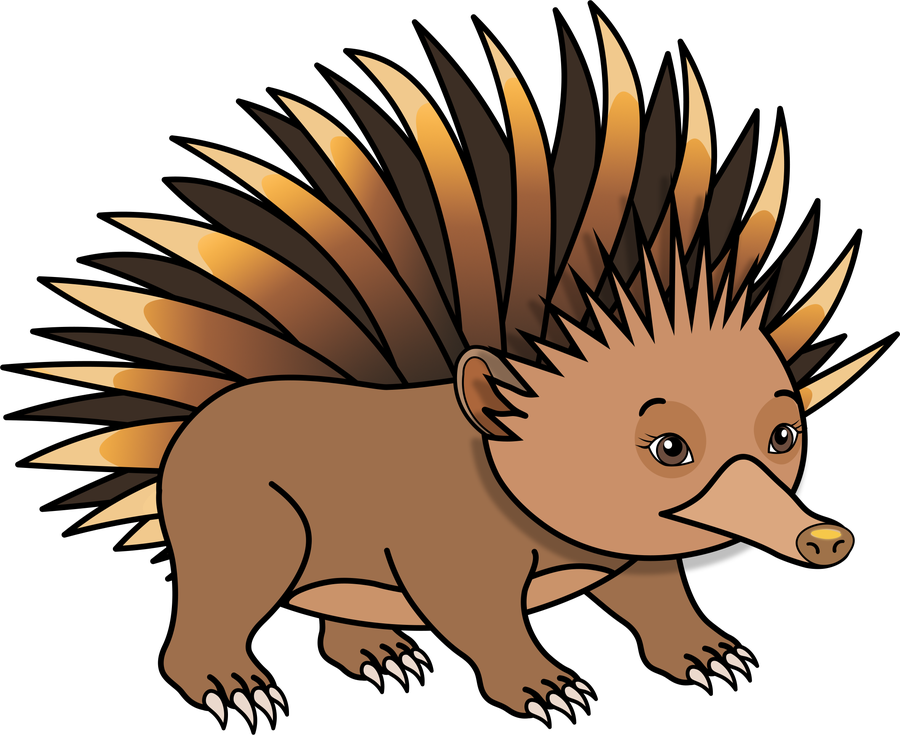
Edna the echidna

Edna arrives in Book 5, Find Your Way. Every character in the series is built on the same toddler proportion language: a large head, a compact round body, short limbs, small and grounded. With Edna, all the drama lives in the quills above her. The brief asked for quills that feel voluminous, individual and alive, each one with its own weight and personality. They are her crown, and they are the first thing you notice about her.
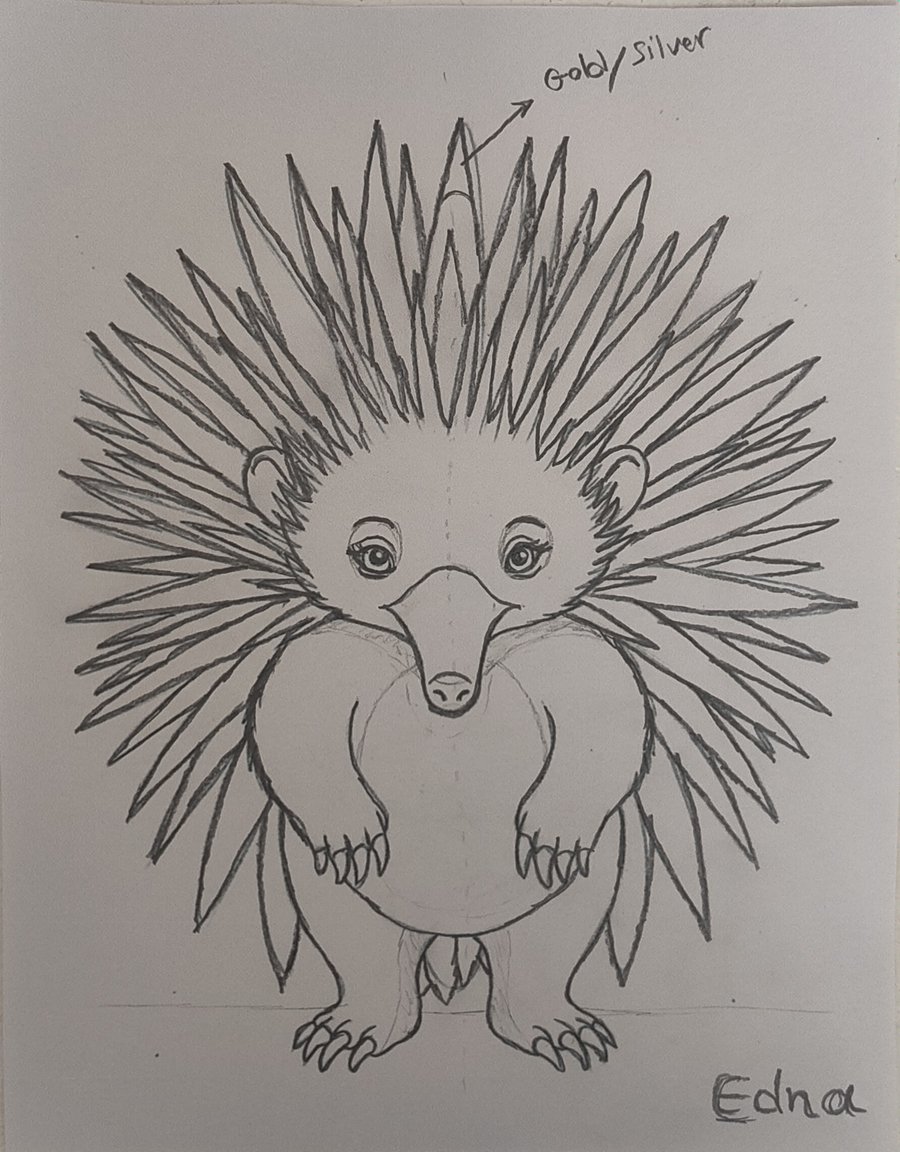
Edna the echidna, first pencil sketch by Mary Hejazi
1. The pencil sketch. The note in the corner already says gold and silver.
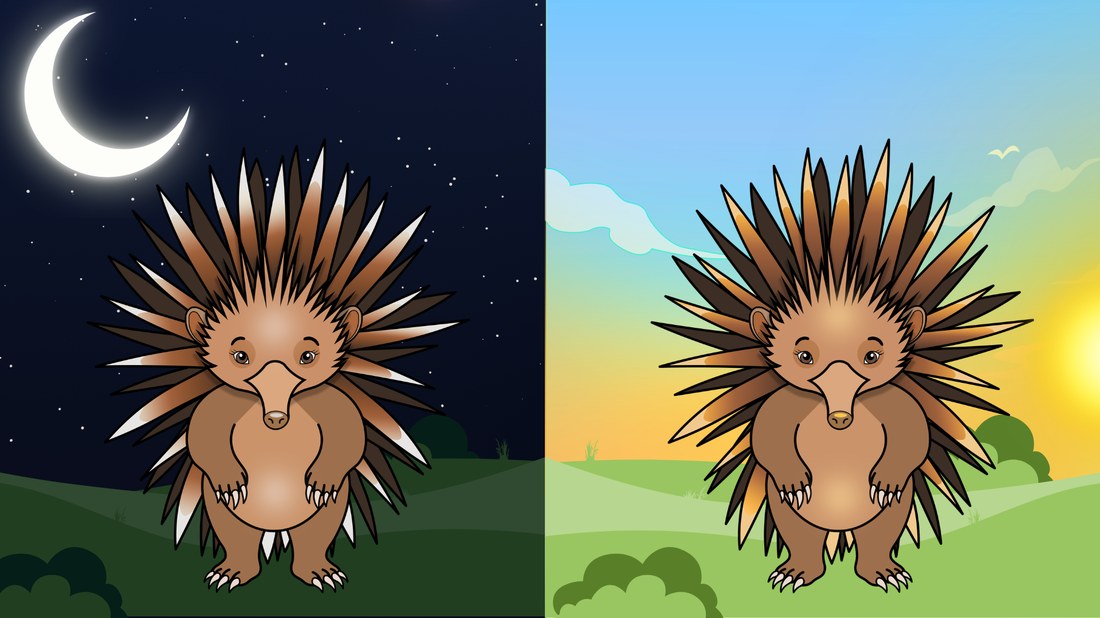
Edna the echidna in moonlight and warm dusk light
2. The lighting study. Cream quill tips that glow gold by the fire and catch silver in moonlight.
Edna the echidna, final grounded pose
3. The final grounded pose, quills settled.

Edna went through real revision rounds on the way here. Her claws were softened and lightened after the first digital pass because the lighter version read more naturally. A late round added quills along her flanks, so she is completely surrounded by them rather than wearing them like a cape. And her quills were built in three states, raised, natural and lowered, because in the story they settle as she does. Character design by Mary Hejazi.

Toby the tortoise

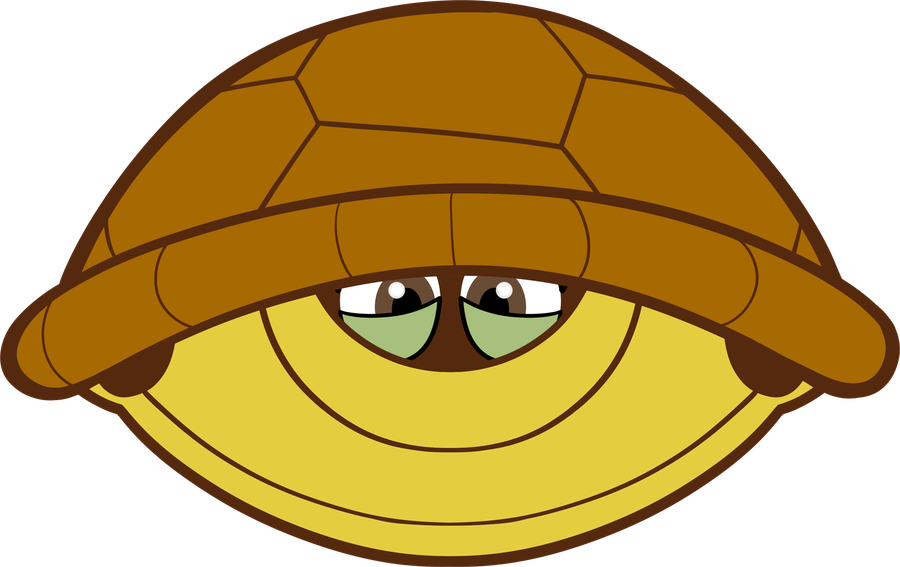
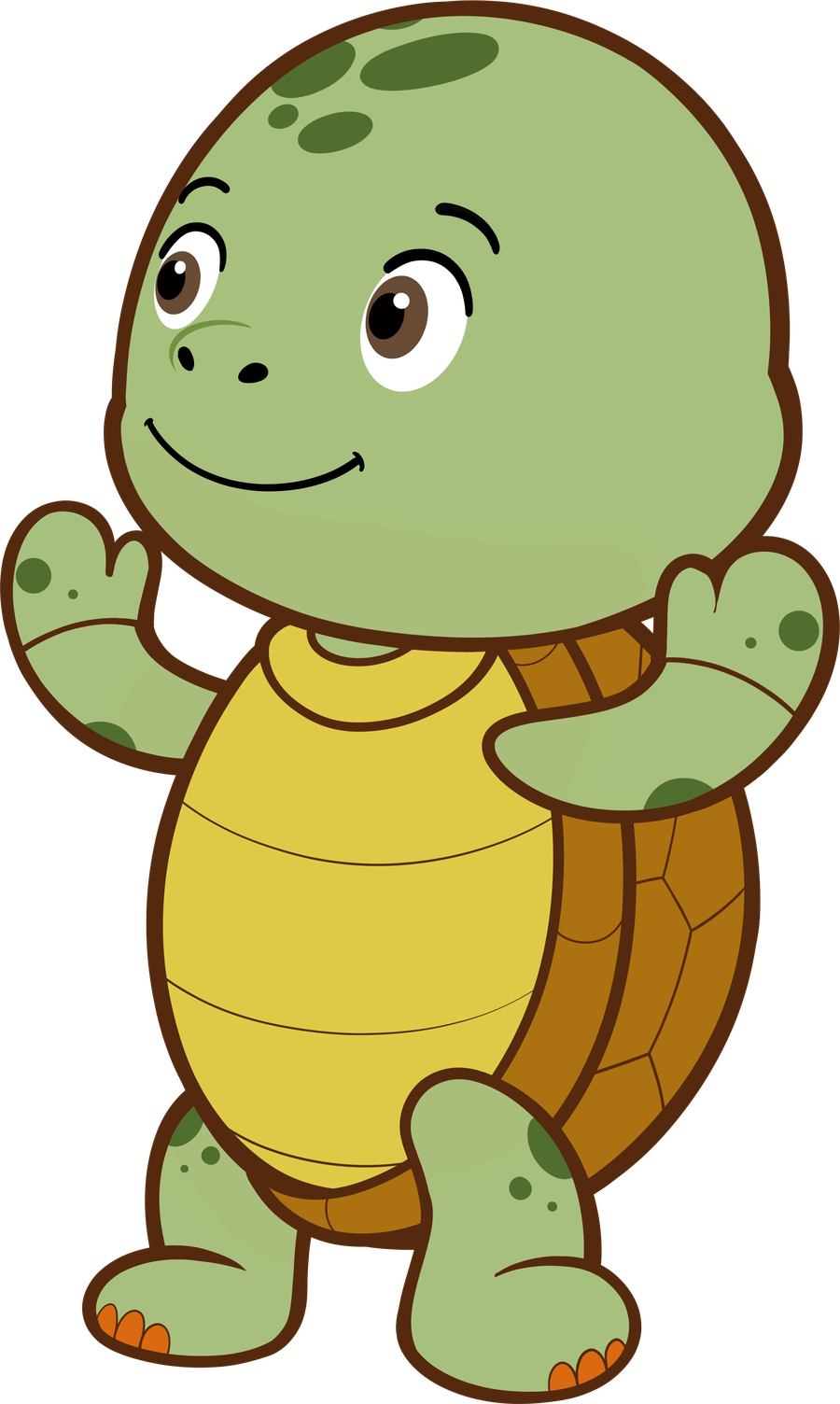
Toby carries The Slow Hello, a story about a shy tortoise who needs time before he is ready to say hello. You can see the toddler proportions clearly in him: the head nearly as big as the shell, the short limbs, the low centre of gravity. And you can see a real revision below. Same pose, two passes. The first version arrived brighter and more excited. The second settles him, because Toby is the character who teaches that slow is allowed.
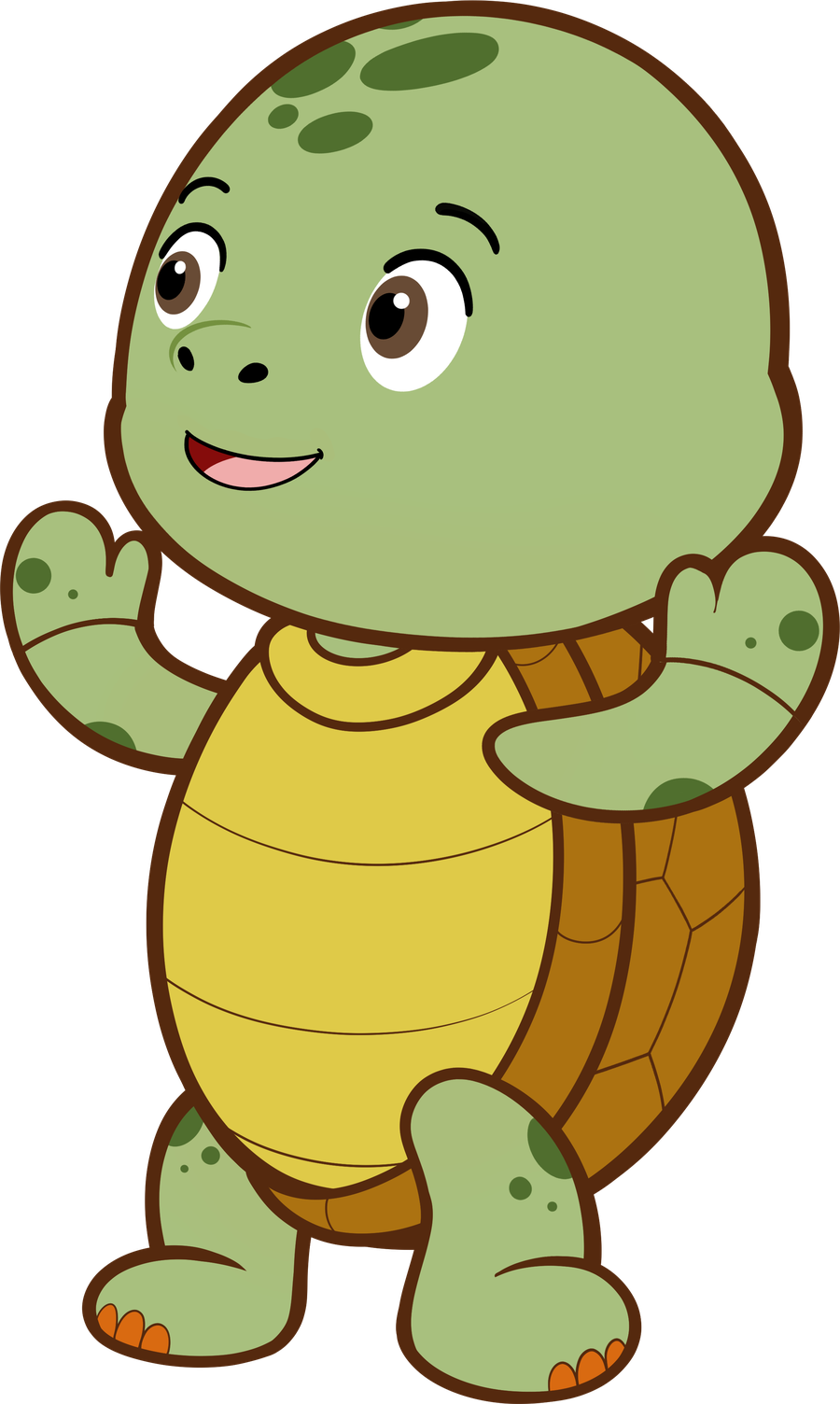
Toby the tortoise, first version of the open pose
1. The pose, first pass. Bright, open mouthed, a touch too excited.
Toby the tortoise, revised pose with a calmer expression
2. The revision. Same pose, softer expression. This is the Toby who made the book.
Toby the tortoise tucked in his shell, eyes peeking out
3. The shell pose, mid hello. His eyelids are a separate layer, drawn to open slowly.

Kakky the kookaburra

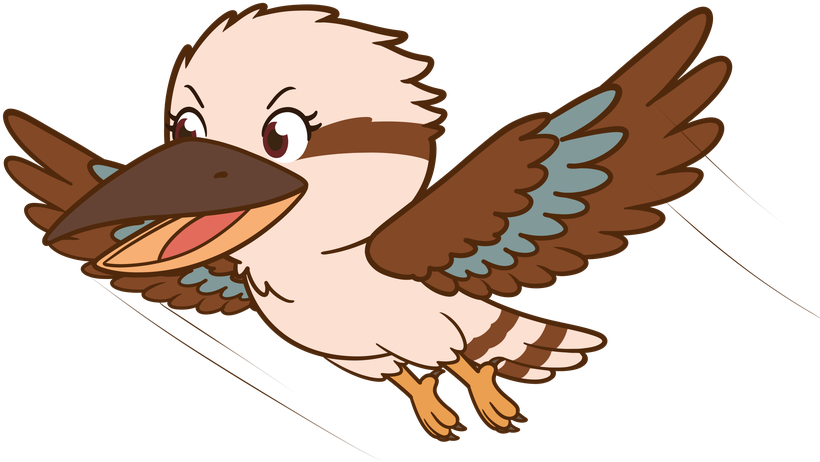
Kakky takes flight in Book 5, Find Your Way, which is in production now. She will be part of the series from there on.
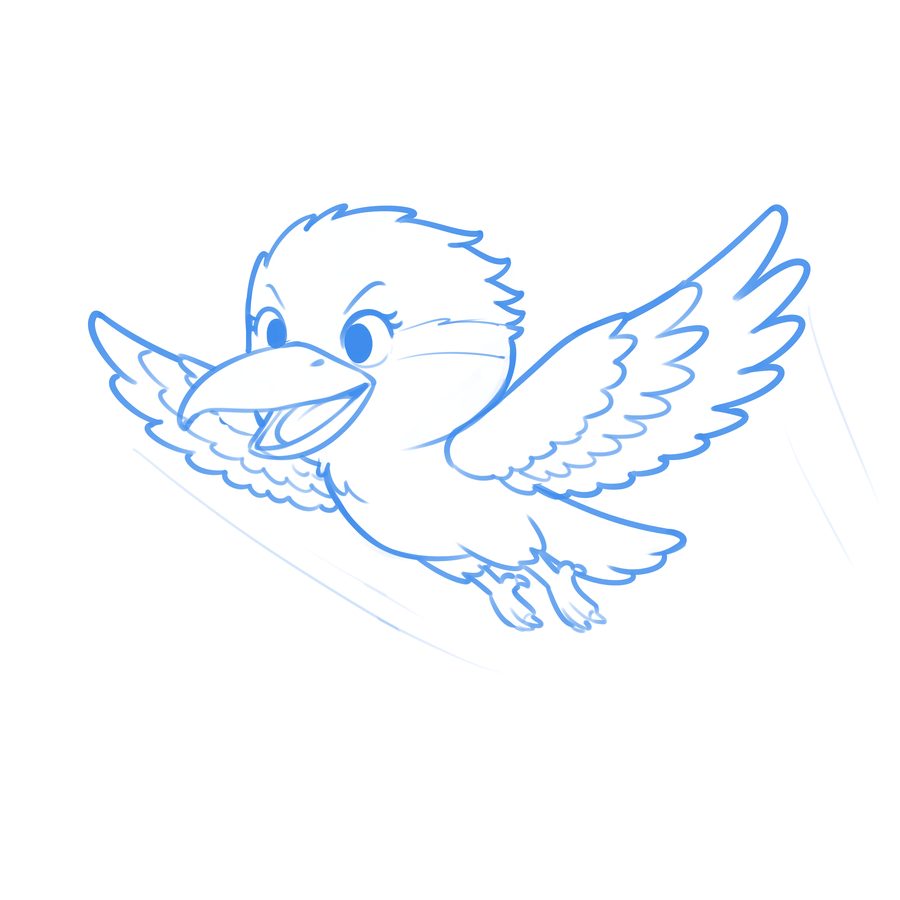
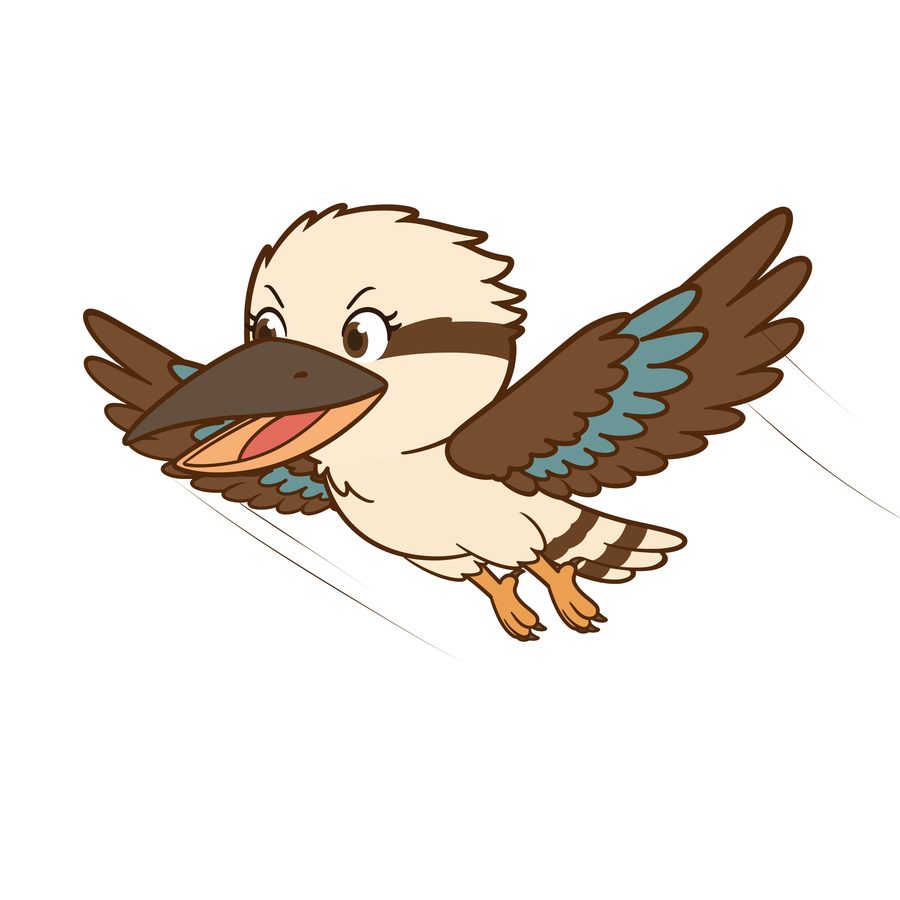
Kakky the kookaburra, first pencil sketch
1. The sketch
Kakky the kookaburra, colour study
2. The colour study
Kakky the kookaburra, final pose
3. The final pose

Building the world they live in.

The characters are only half of it. Gerry and his friends need somewhere to be, and that somewhere had to be built too.

The Slow Hello stays in one place for all ten pages. A single waterhole in the Northern Territory, from dusk through to dawn. The location never changes, so the world itself has to carry the book. If the waterhole looked the same on every page, the story would start to feel still. So it was built in layers, with quiet detail added at the edges, and each page ends up feeling a little different from the last without a child ever knowing why.

It starts with a sketch.

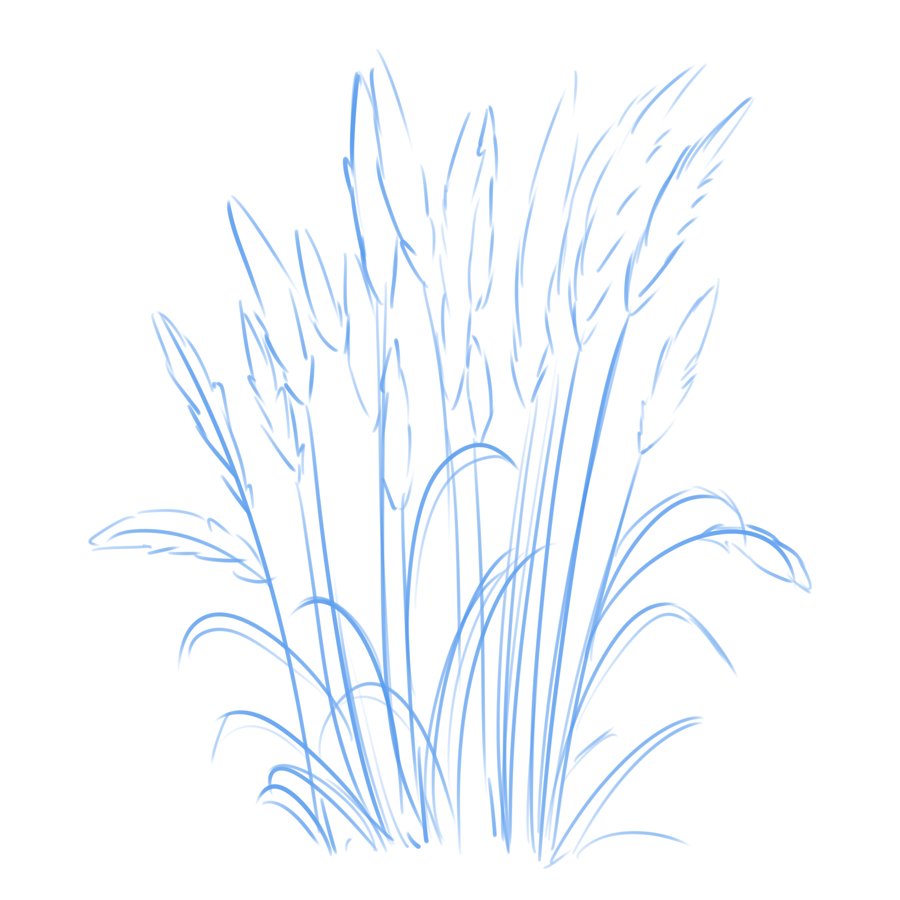
The same way the characters do. Before anything is painted, the small pieces that frame a page are drawn in pencil. Native grasses for depth along the bottom edge. A loose cluster of water reeds, the same reeds Toby learns to peek out from. A ghost gum branch reaching in from a corner, turning an open landscape into something sheltered and close.

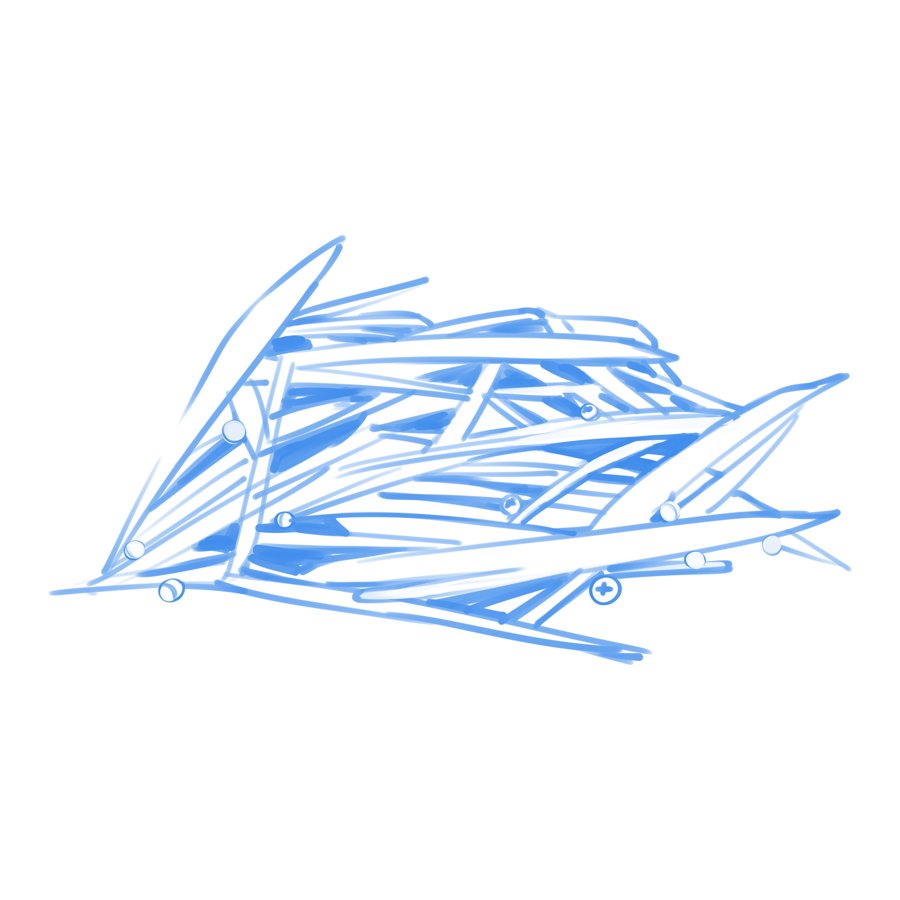
Pencil sketch of tall feathery native grasses
Native grasses, tall and feathery.
Pencil sketch of a loose cluster of water reeds
A foreground cluster of water reeds.
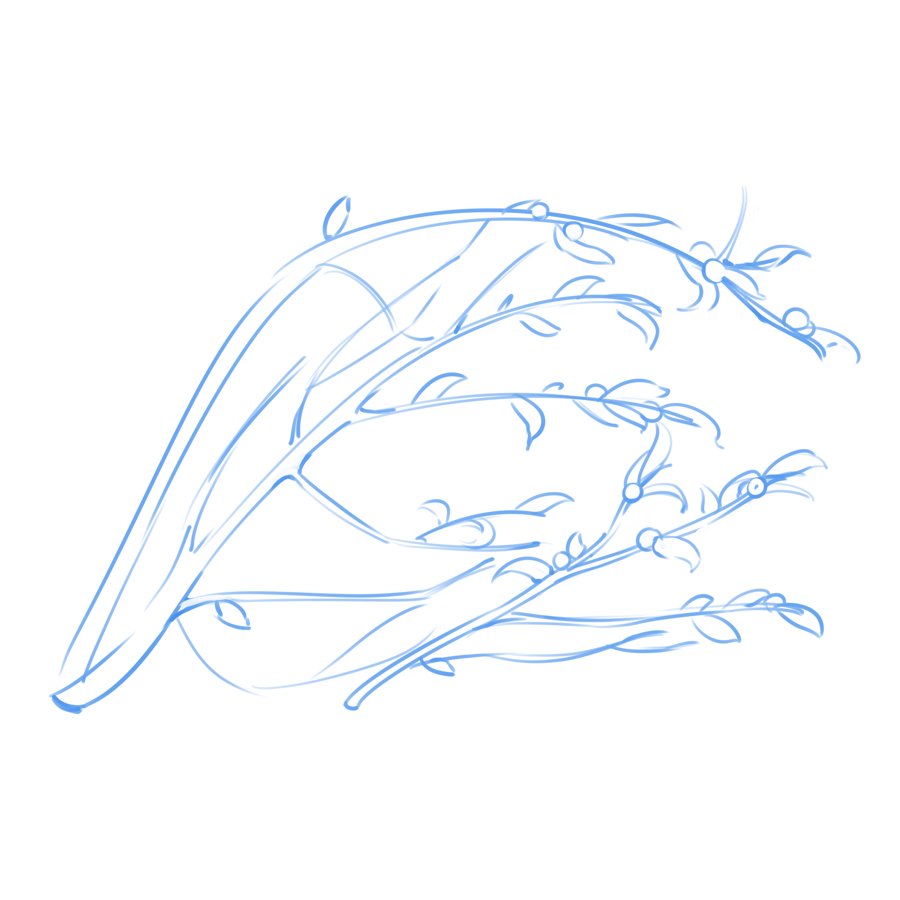
Pencil sketch of a ghost gum branch with leaves
A ghost gum branch for the upper corner.

Then the world is painted.

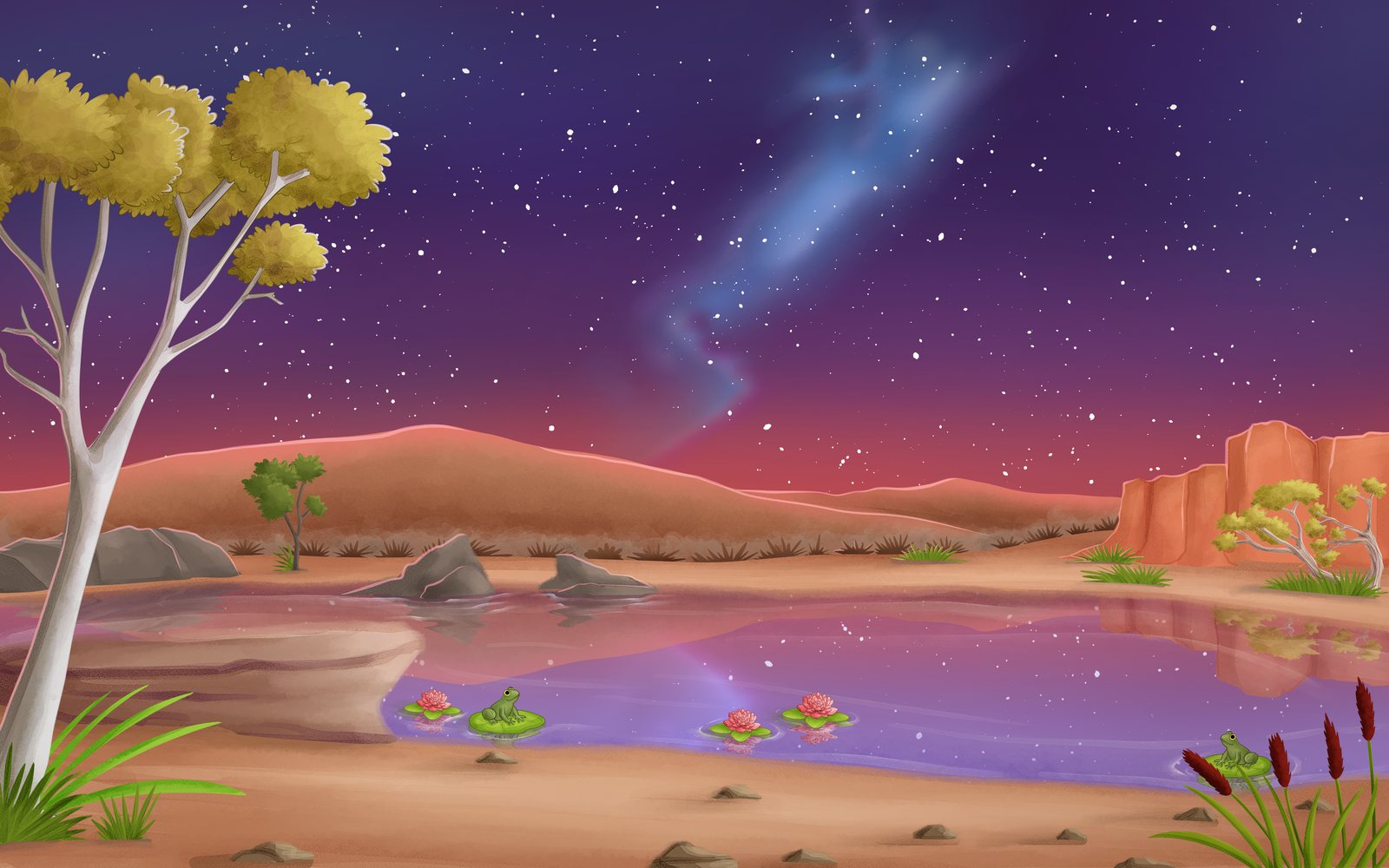
The ghost gum on the left. Spinifex catching the last warm light. The reeds at the water's edge, lily pads with a frog who returns from page to page, and the Milky Way laid right across the sky. The same dusk to dawn palette as the rest of Gerry's world, so the place feels of a piece with everyone who lives in it.

The painted Northern Territory waterhole at night, with a ghost gum, red dunes, a starry sky and lily pads
The waterhole of The Slow Hello. Environments painted by BruxStudio.

The last layer is the quiet life.

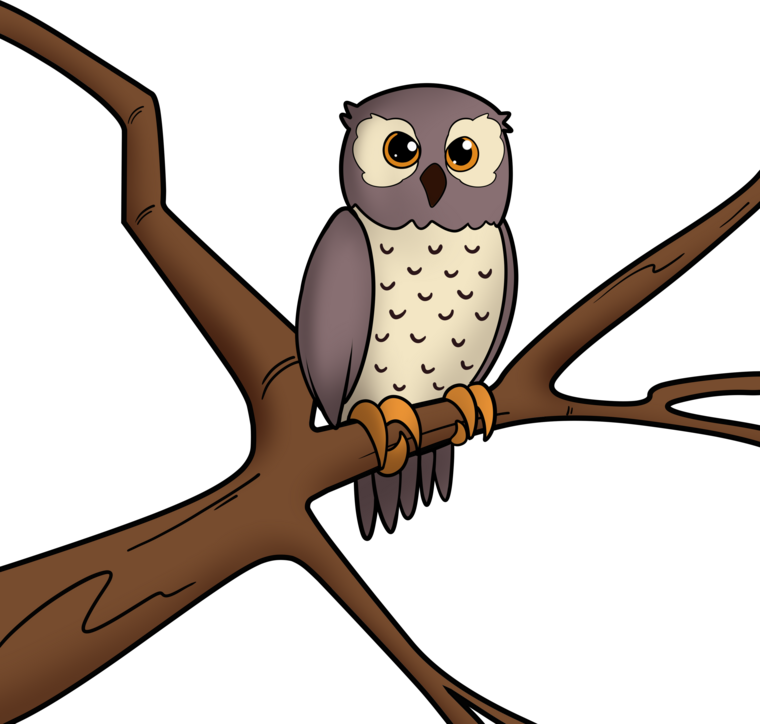
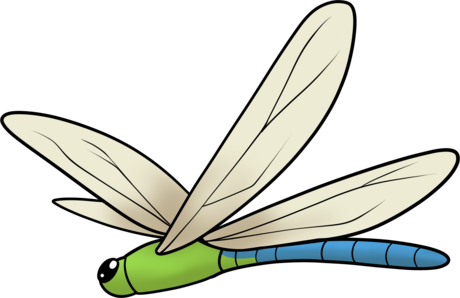
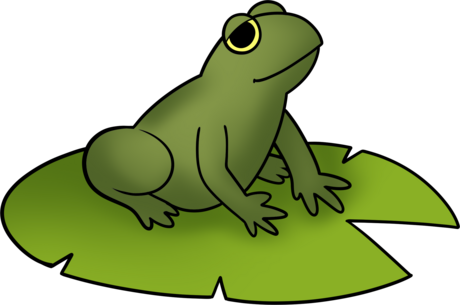
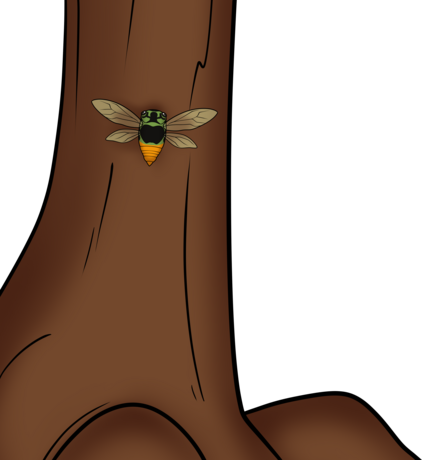
A boobook owl on a branch. A dragonfly near the water. A frog on a lily pad, and a cicada you might never notice. Each one was chosen to belong in a warm Australian evening, and to be worth keeping for the books that come after, not just this one. A sugar glider was drawn too, for the deeper night, and you can find it gliding past the moon on the home page of this site. The owl watching over the bottom of every page is the same owl, drawn for the waterhole first.

Boobook owl perched on a branch
Boobook owl.
Dragonfly with iridescent wings
Dragonfly.
Frog sitting on a lily pad
Frog on the lily pad.
Cicada resting on bark
Cicada on the bark.

And the world keeps growing.

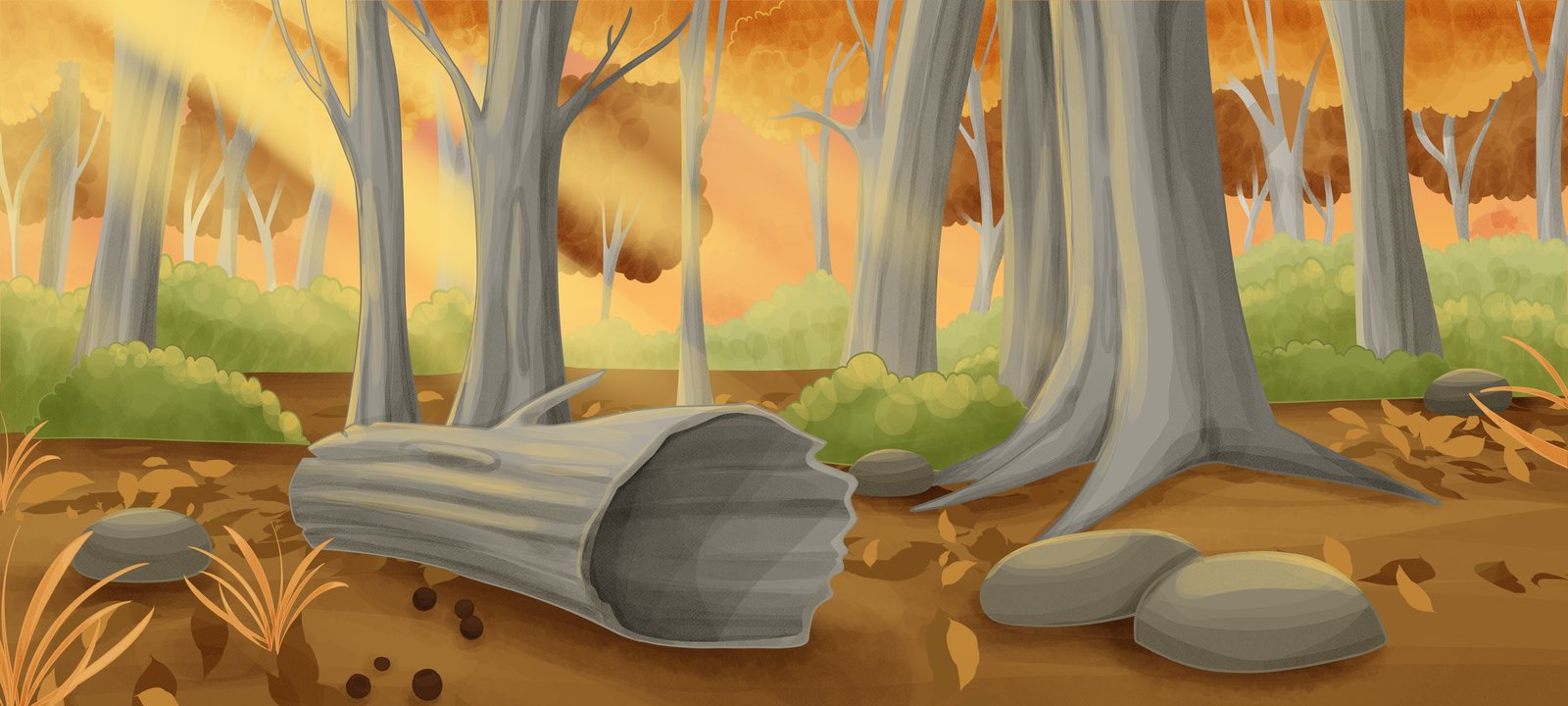
Book five steps away from the water and into the bush. The same care, a different light. A new place for Gerry to find his way.

The painted woodland of Book five, with tall gum trees, golden light and a fallen log
The woodland of Book five, Find Your Way.

Why it looks the way it does.

The world of One More Story is built for the last hour of the day. Warm browns, soft ambers, a sky that is already getting dark. Fireflies instead of fireworks. The palette does some of the settling before the story even starts.

Built in layers, so the characters can breathe.

Every character is delivered as a layered working file, not a flat picture. Eyes open and eyes closed live on separate layers. So do slightly different hand positions, and in Edna's case her entire quill crown in three states, with around one hundred and sixty layers in each. It means a character can blink, settle and soften across a book without ever being redrawn, and it is a big part of why the world feels steady from page to page.

Here is a short clip from Mary Hejazi's working file, building and adjusting the guitar, layer by layer.

The hands behind the work.

One More Story is illustrated and animated by a small team of artists who each look after one part of the world.

Character illustration

Mary Hejazi (Hemrya) draws the characters, from first sketch to final pose.

Environments and imagination worlds

BruxStudio paints the campfire, the bush, and the places the stories wander into.

Book design and layout

Fatima Arif lays out every spread, song page and activity page in the books.

Animation

Neda Divzad brings Gerry to life in the animated moments of each episode.

Watch it happen.

We share sketches and works in progress as they arrive, over on Instagram. Pencils first, finals later.